An embodied photo experience that turns capturing a moment into a shared physical ritual.
[Role]
Interaction Designer / Creative Technologist
[Duration]
4 Weeks, 2025
1 Week, 2026
[Tech Stack]
React Three Fiber, WebGL, Ultraleap, WebSockets, Firebase, Claude, Google AI Studio, Swift UI
Embodied Interaction
Creative Technology
Real-time Systems
01 / The challenge
Photo-taking pulls us out of the moment.
Capturing a memory usually means stepping away from the experience: taking out a phone, looking through a screen, framing the shot, and pressing a button.
I wanted to explore the opposite:
Could taking a photo become something people do together, without a traditional interface?
Sphere Drop began as an experiment in turning a screen-bound action into a shared physical ritual.
02 / The interaction idea
The body becomes the interface.
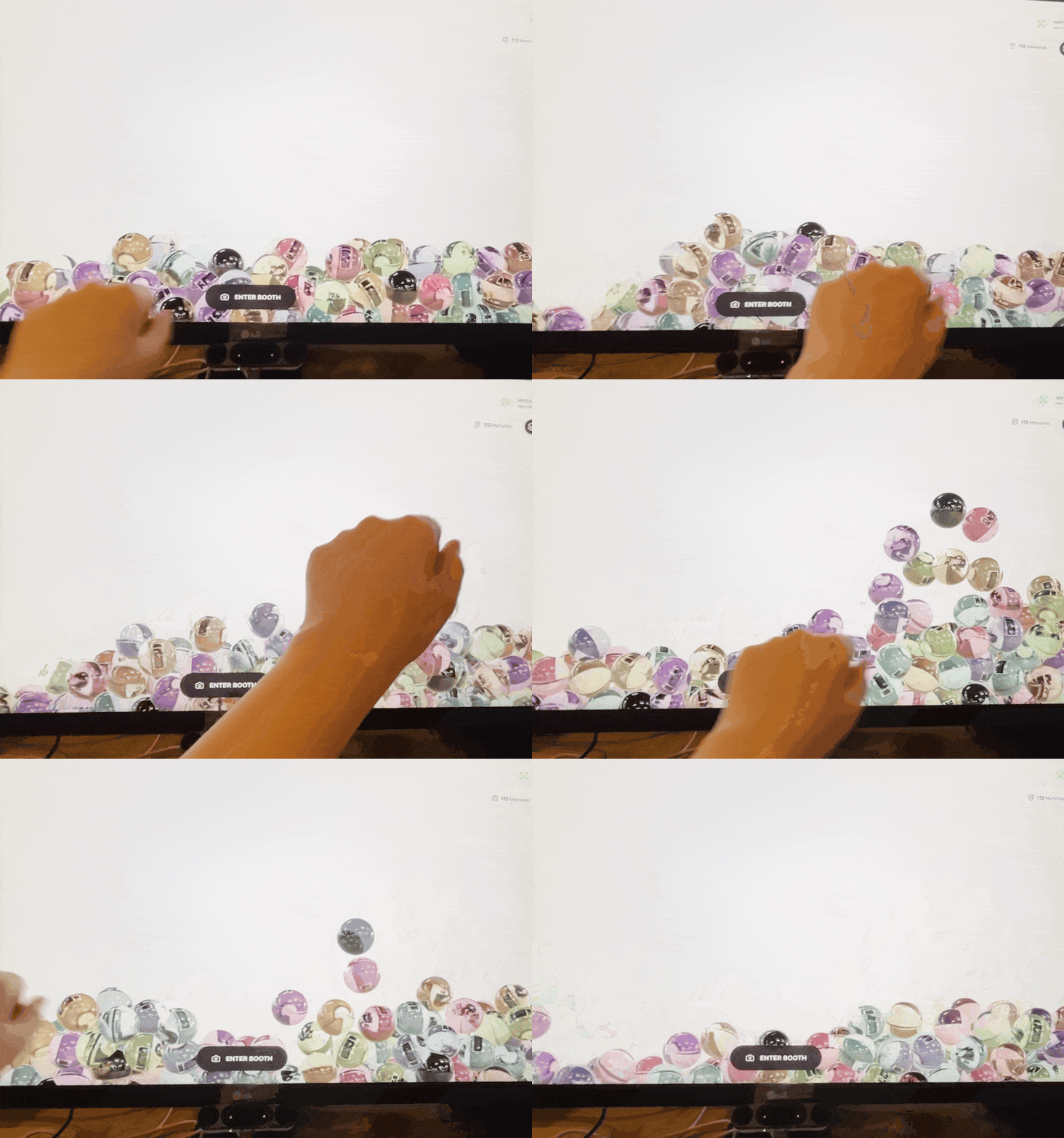
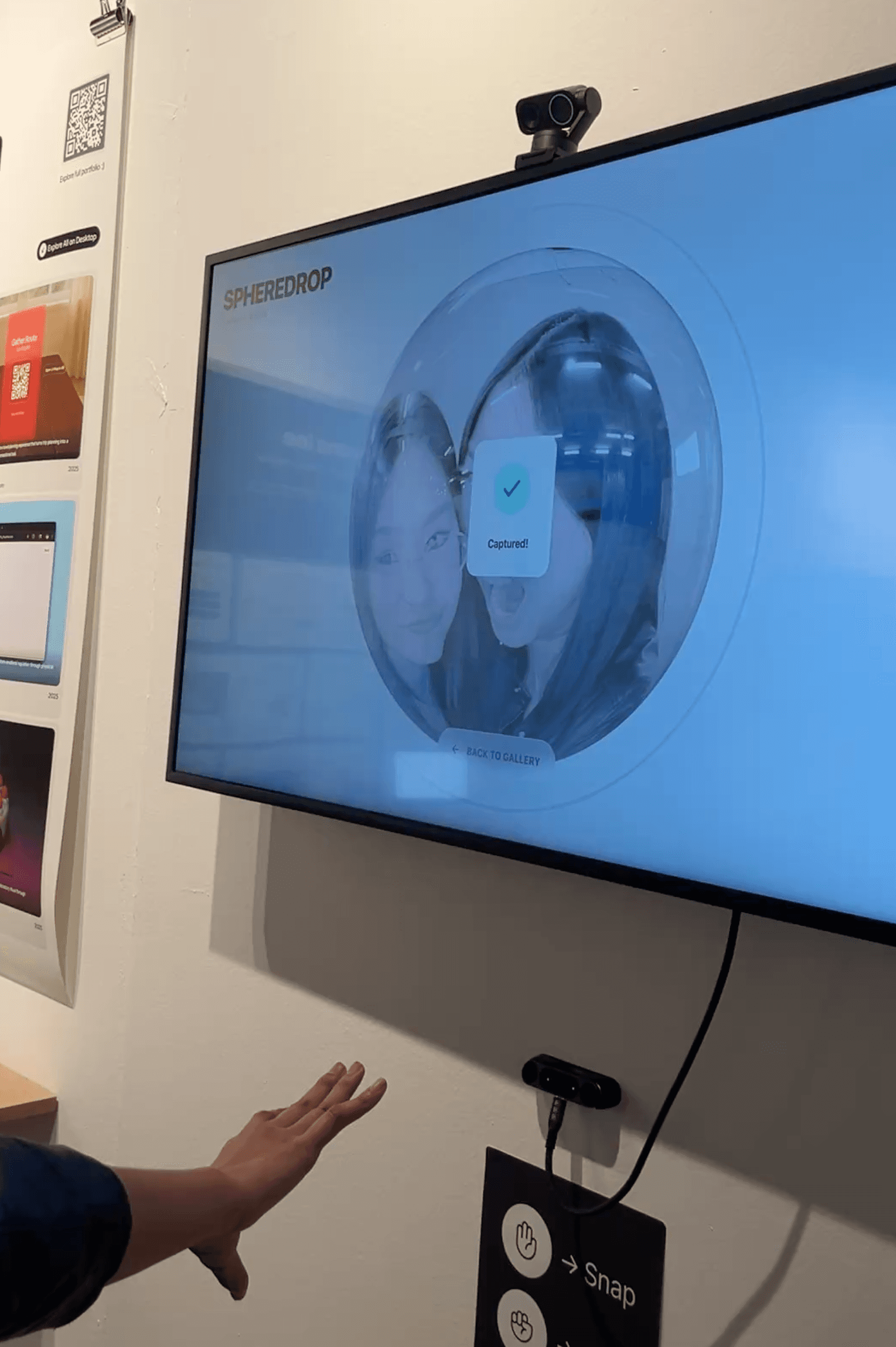
Instead of adding another set of controls, I removed the visible interface and built the experience around gestures people could discover through movement.
Interact
Make a fist to engage with a sphere.

Capture
Drop
The captured photo falls into the shared archive.
03 / Revisiting the archive
Two ways to view the memory.
After the interaction, I designed two viewing modes for reviewing captured photos on an iPad or Mac. One mode supports clarity. The other preserves the energy of the experience.

Gallery Mode

Chaos Mode
A playful, spatial view where memories float and accumulate like the installation itself.
04 / Making participation visible
Every photo changes the space for the next person.
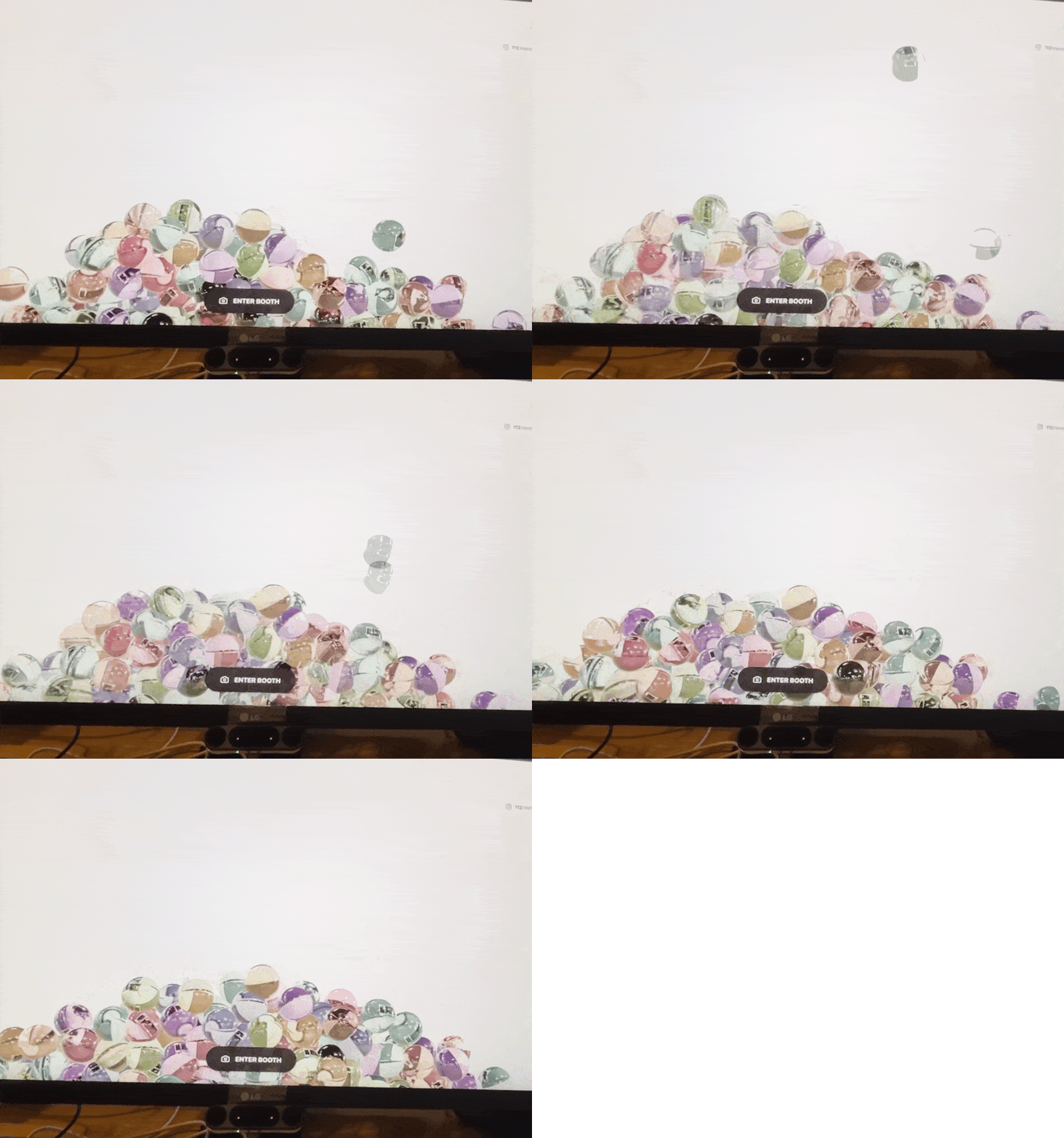
Captured photos did not disappear into a gallery. Each memory became a sphere inside the installation, gradually changing the environment as more people participated. The archive became less like a folder of images and more like a visible accumulation of shared memories.
05 / In the space
The interaction became social.
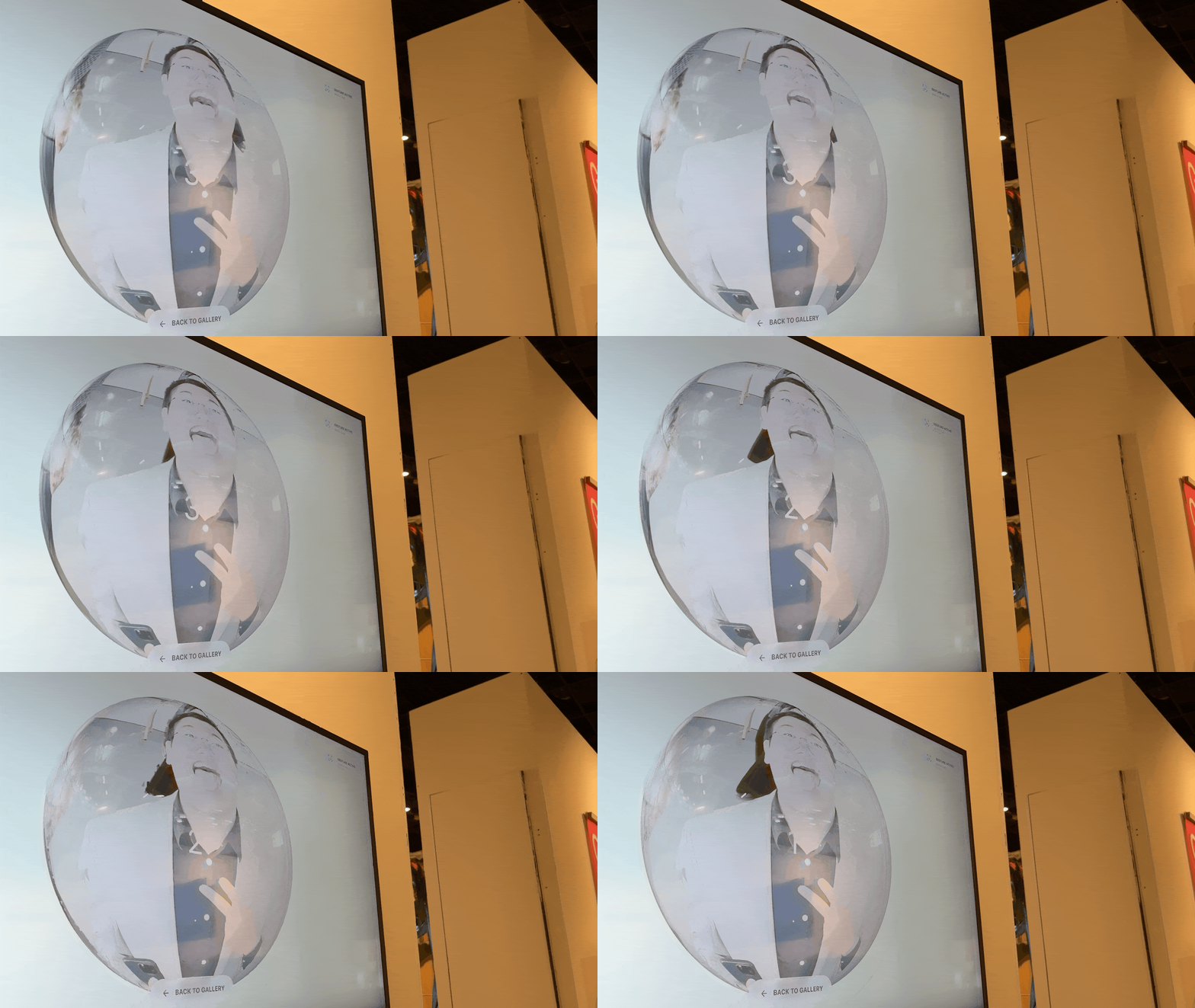
At the Grad Show, people rarely experienced Sphere Drop alone. One person would discover the gesture, others would watch, and the interaction often taught the next person what to do. The installation started working through people as much as through the system.
06 / Extension
From shared space to personal memory.
After the installation, I explored how the same interaction language could translate to iOS. Instead of recreating the installation on a smaller screen, I kept the core idea: memories should still feel spatial and physical.
Pinch
Move between a single memory and the larger collection.
Tilt
Shift and pour memories through space.
07 / Takeaway
The best interface wasn't the gesture.
It was the participation it created. Sphere Drop taught me that embodied interaction works best when the technology becomes quiet enough for people to focus on each other and the experience around it.
All Works